
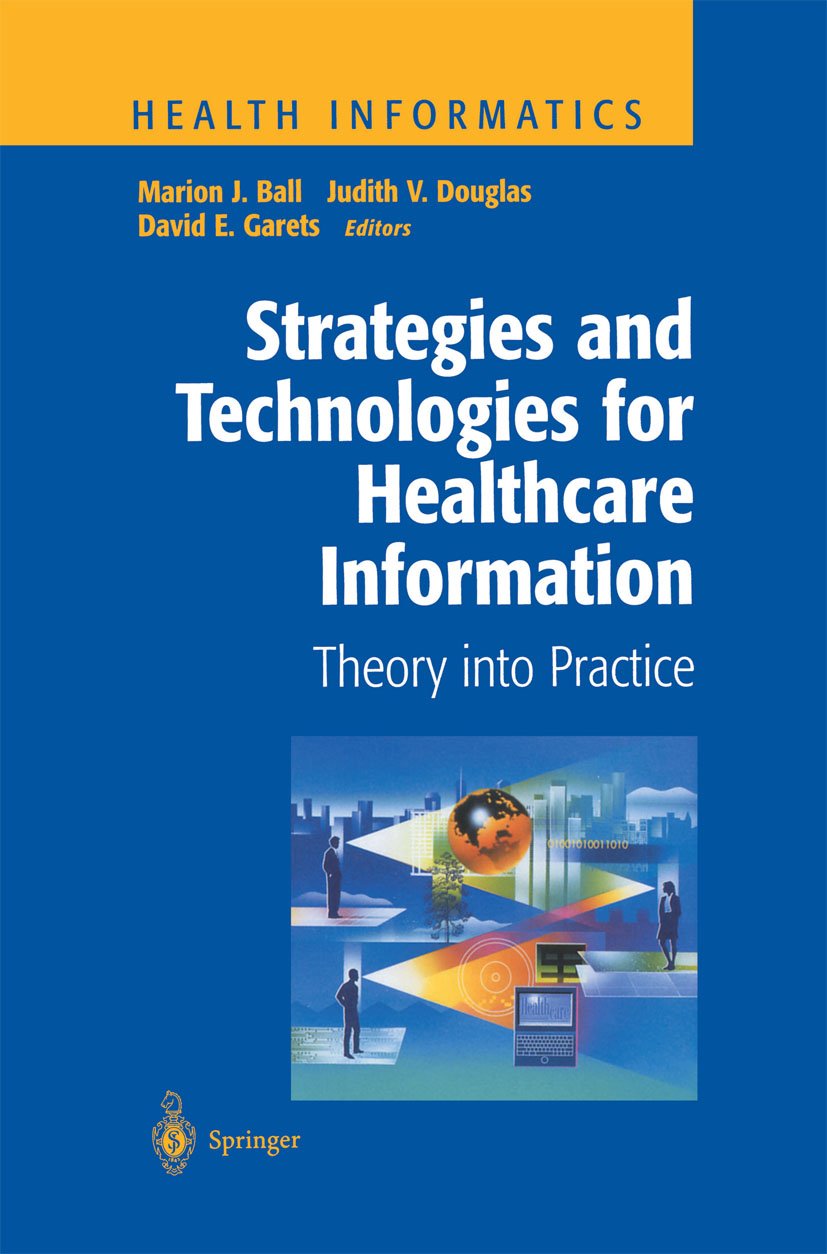
Transforming Healthcare Information Management
In today’s rapidly evolving healthcare landscape, changes in health care are happening at a breakneck pace. Regardless of the many transformations we have collectively experienced, delivering high-quality healthcare remains an enormously information-intensive process. Whether you are caring for individual patients or managing a population’s health, whether you lead a clinic or oversee a healthcare continuum, we are undeniably in a knowledge exchange business.
The Role of Chief Information Officers (CIOs)
A critical responsibility for our industry—and specifically for chief information officers (CIOs)—is to identify and implement improved strategies and technologies for managing healthcare information efficiently. In a fiercely competitive healthcare marketplace, the pressures to succeed in this undertaking—and the rewards associated with success—are enormous.
Benefits of Effective Information Management
- Enhanced Organizational Efficiency: By deploying effective information strategies, organizations can streamline operations, improving overall efficiency.
- Informed Decision-Making: Access to accurate and timely information empowers healthcare professionals to make better decisions, ultimately improving patient outcomes.
- Competitive Advantage: Organizations that excel in information management position themselves favorably in the competitive healthcare market.
- Organizational Survival: In today’s fast-paced environment, effective information management strategies are not just advantageous; they are essential for organizational survival.
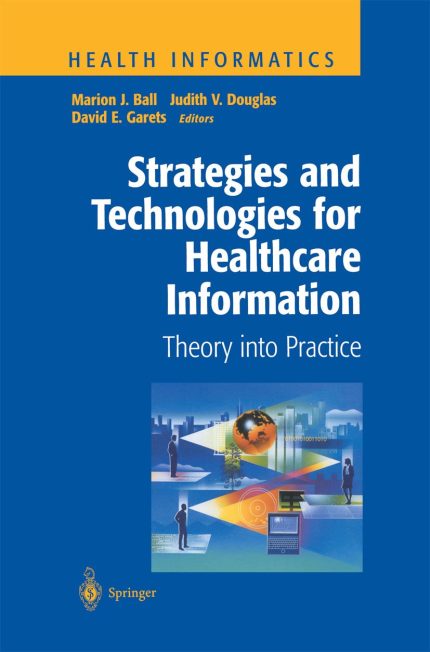
Authors:
Marion J. Ball (Editor)
Edition:
1999th
Publication Date:
December 6, 2012
From the book:







Reviews
There are no reviews yet.